
A factory owns one process
A factory can quote and build its own operation. It usually does not own the missing information, cross-supplier decisions, or the next step after a failed test.
PCBLaunch is the China-side project lead for overseas small hardware teams. We review the files, coordinate engineering and production partners, and manage prototypes, testing, revisions, and small-batch delivery through one accountable contact.
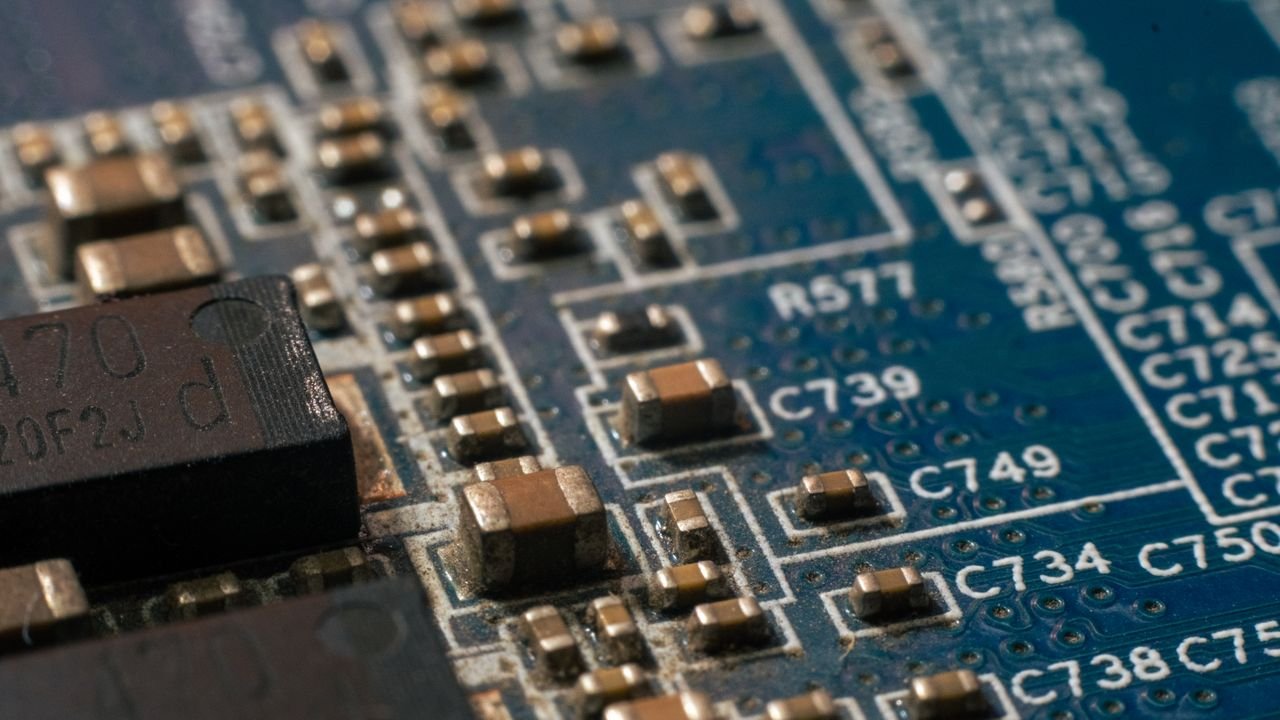
You are paying for one person to own the gaps between your files, engineering decisions, suppliers, testing, and handover.
A factory can quote and build its own operation. It usually does not own the missing information, cross-supplier decisions, or the next step after a failed test.
We review what exists, bring in the right specialist or production partner, keep questions visible, and give you one accountable China-side contact.
The goal is not another quote. It is a reviewed scope, a controlled first build, recorded findings, and a clear path to rework, redesign, or the next order.
PCBLaunch is most useful when the product is real, the material is imperfect, and someone needs to make the whole order move.
Startups and product teams that need a practical bridge from prototype evidence to repeatable PCBA.
Gerber, BOM, board samples, firmware, or test notes that still need questions answered before production.
Projects that also need sourcing, assembly, programming, testing, rework, packaging, or shipment coordinated.
If lowest board price is the only requirement, a direct factory may fit better. If you need someone to own the gaps, decisions, and handover, start with PCBLaunch.
PCBLaunch is built around the work that follows an engineering decision: make the files usable, prove the first boards, control a small batch, or recover an existing board. Design support is available when it helps a project reach those stages.
Move a reviewed board into a controlled build, keep revisions visible, and prepare the next repeat order from a clearer record.
View service02Turn an available physical board into an evidence-led reconstruction or revision project while keeping unknown design intent visible.
View service03Review the current file package, build an initial board, define the checks, and use findings to prepare the next revision.
View service04Create or complete the documentation needed to move a defined electronics requirement toward prototype fabrication and assembly.
View serviceSmall-batch work is not only component placement. It depends on one released revision, visible sourcing decisions, a usable assembly package, agreed testing, and a record that explains changes.
PCBLaunch coordinates these control points so a prototype can move into a batch without losing the decisions that made it work.
Explore the small-batch process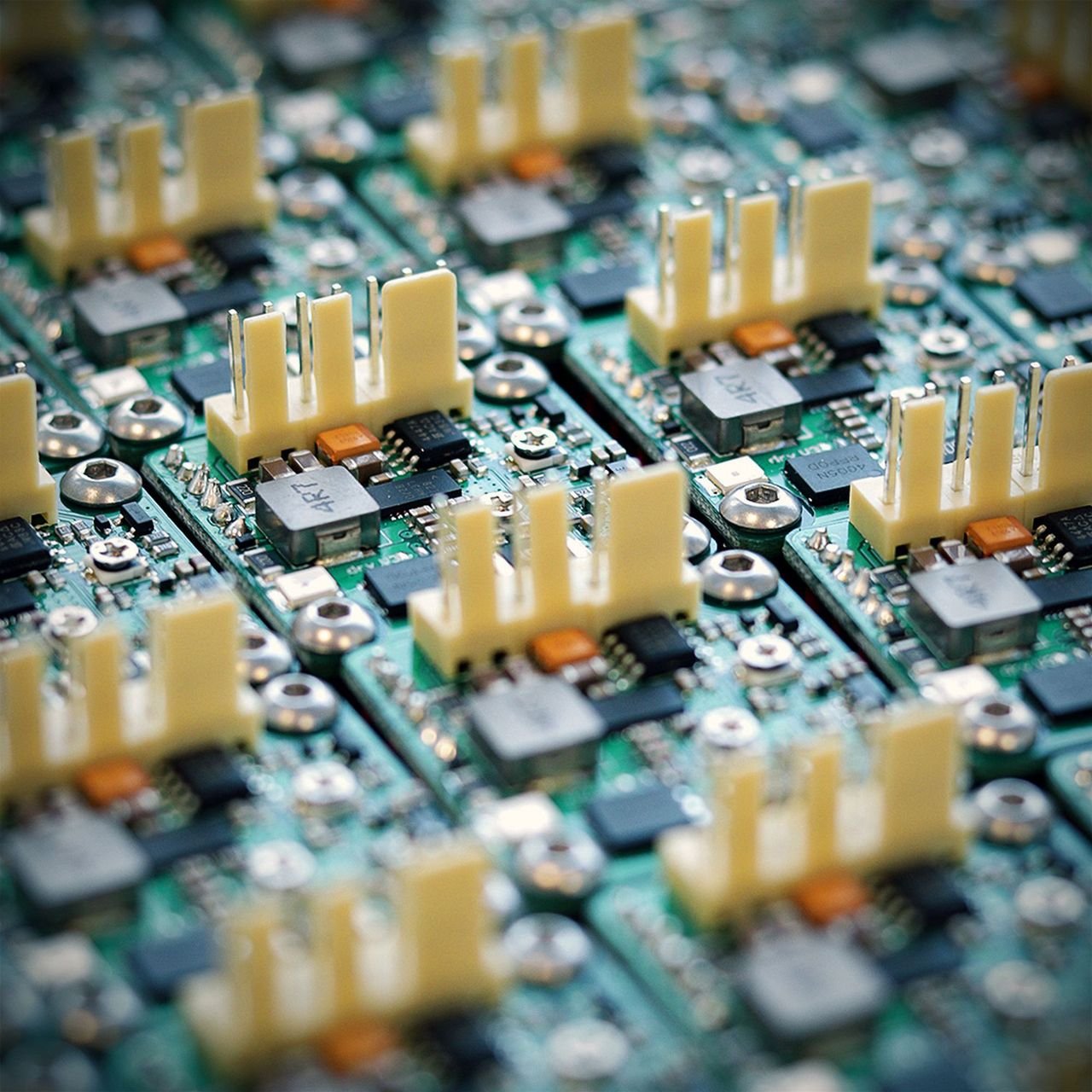
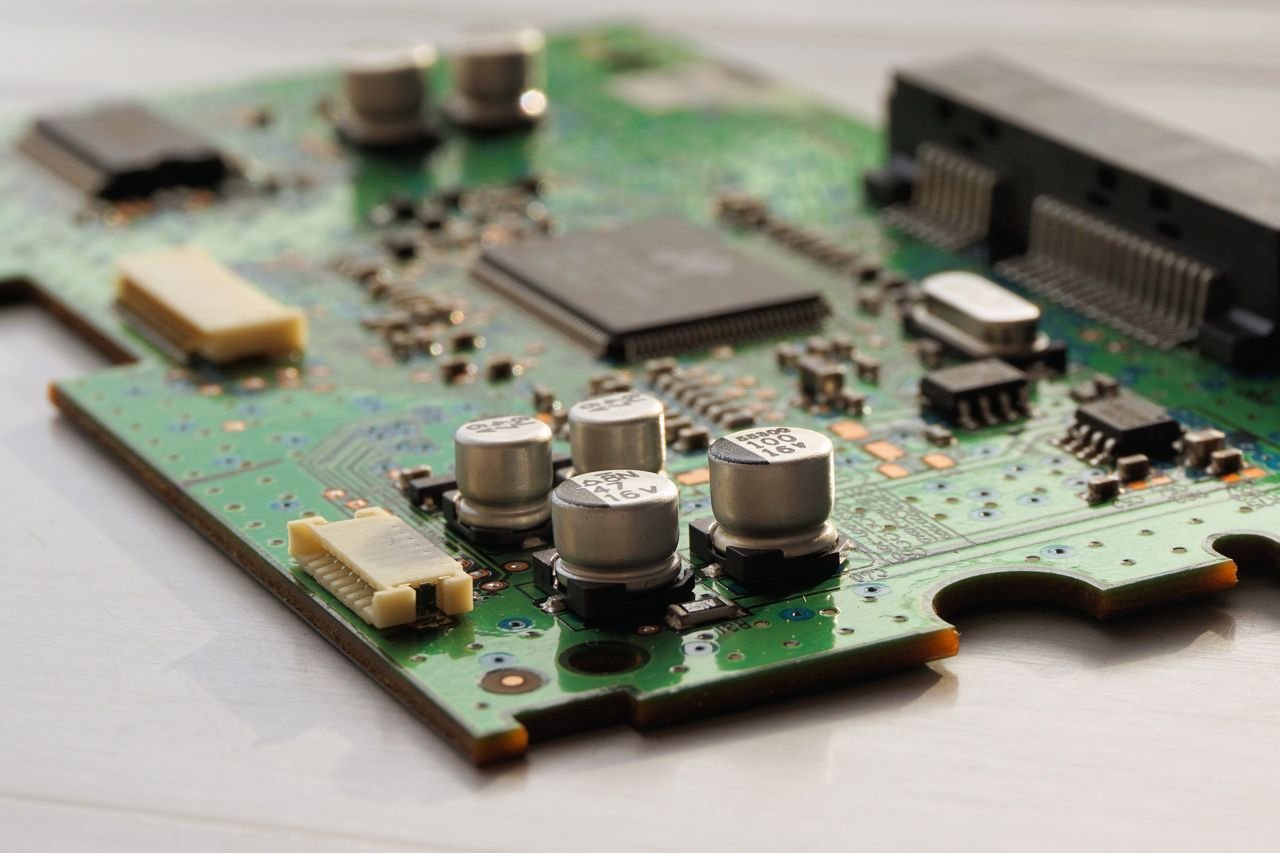
Reverse engineering becomes credible when physical evidence, inferred intent, redesign decisions, and validation results are kept separate. Unknown firmware, hidden layers, and unreadable parts are recorded rather than guessed away.
Review the reverse-engineering scopeEvery project follows the same visible chain. The details change; the responsibility does not.
Files, a board sample, a prototype, a BOM, photos, or simply a description of the outcome.
We identify the revision, quantity, constraints, rights, and the person who can approve decisions.
Missing data, obsolete parts, unclear tests, and supplier questions are recorded instead of guessed away.
You receive a practical plan for sourcing, assembly, prototype quantity, tests, hold points, and handover.
We match the released scope to the right specialists and production partners for the first build.
Findings, substitutions, rework, and unresolved items stay attached to the project revision.
Decisions are visible before the project moves from prototype evidence to a small batch.
Boards, files, findings, and records return with a clear recommendation: repeat, rework, redesign, or stop.
PCBLaunch does not present a factory, certification, equipment list, capacity, or delivery promise without verified evidence. The project record is the basis for confidence.
The file package, board sample, firmware reference, and requested outcome are tied to an identifiable version.
Missing information, substitutions, uncertain evidence, and test limitations remain open until someone responsible approves them.
The customer knows which boards, files, findings, and records are included before the project moves forward.
The first review is shaped by the material already available. It does not require a perfect package before the conversation can begin.
Review fabrication, assembly, sourcing, testing, and batch readiness.
Follow this routeTranslate a module proof of concept into a custom board and build plan.
Follow this routeDefine a carrier, interface, or companion-board package around real constraints.
Follow this routeAssess evidence, uncertainty, rights, recovery level, and validation.
Follow this routeLi Can leads project scope and progress, matches specialist engineers to the work, coordinates production partners, keeps open questions visible, and connects decisions from the first review to the requested handover.
The studio model is deliberate. PCBLaunch does not claim that every fabrication, assembly, testing, or specialist engineering step happens under one roof. It takes responsibility for coordinating the agreed path.
Meet the studio and review its boundariesPrototype and test work, small-batch PCBA, existing-board recovery or redesign, and design support that leads into a real build.
PCBLaunch is a project studio. It coordinates suitable fabrication, assembly, sourcing, and test partners instead of presenting partner facilities as its own.
Yes. Send the available package and list what is missing. The first review can identify which gaps affect feasibility, quote, or build scope.
Send the project revision, quantity, files or board material, requested outcome, and the most important open question.
PCBLaunch will identify the next questions before a build scope is agreed.