
What happens after the first review
Begin with rights and purpose
The first question is not how quickly a board can be copied. It is whether the customer is authorized to reproduce or modify it, what business problem must be solved, and whether the goal is documentation recovery, repair, redesign, or repeat production.
Capture what the board proves
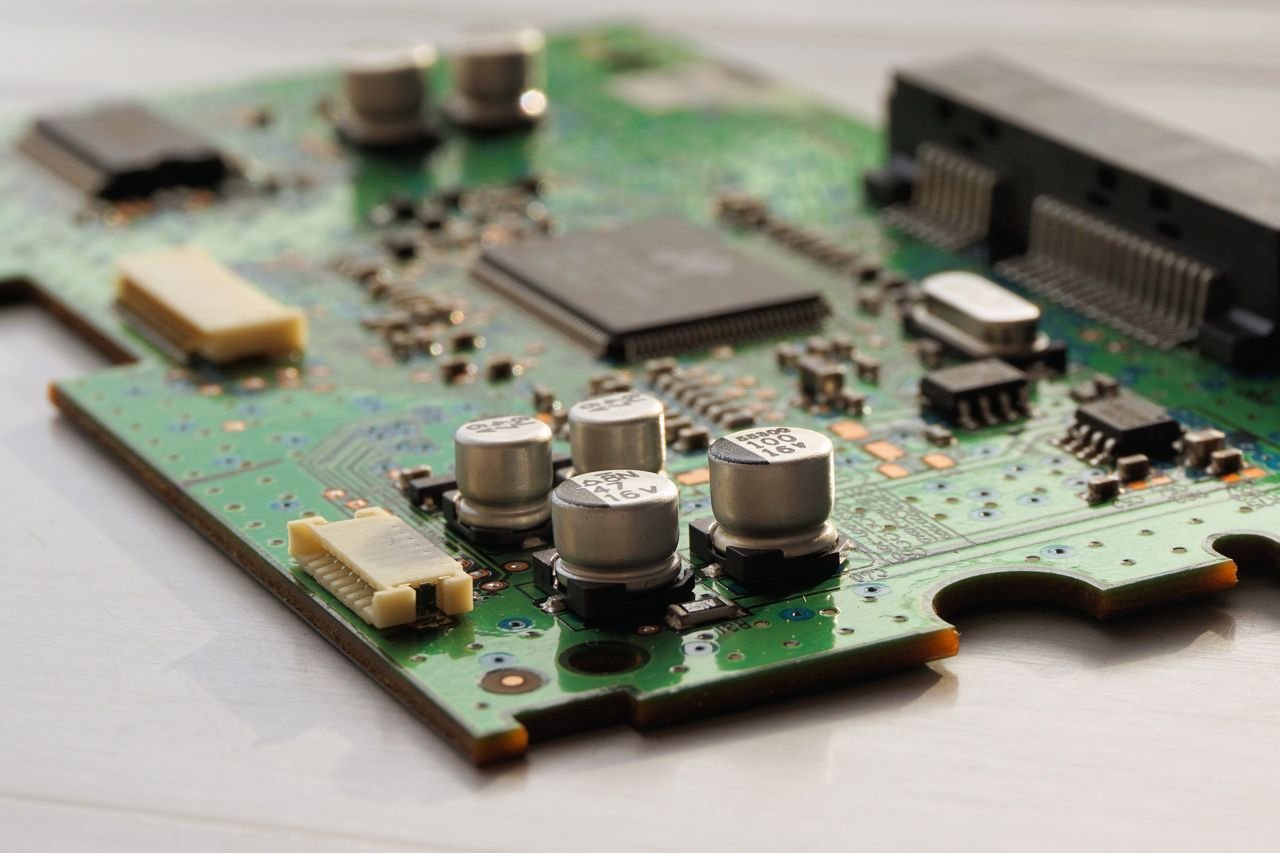
Board markings, component packages, connections, layer clues, measurements, and observed behavior can be recorded. These observations are evidence. They do not automatically reveal the original engineering intent, hidden firmware behavior, or every internal connection.
Keep uncertainty in the project record
Unreadable markings, inaccessible inner layers, programmed devices, custom components, and missing operating information become explicit unknowns. PCBLaunch does not fill those gaps with confident guesses. Each unknown receives a proposed check, assumption, or customer decision.
Reconstruction and redesign are different
A reconstruction aims to reproduce observable behavior and structure at an agreed level. A redesign may intentionally replace obsolete parts, change connectors, improve manufacturability, or alter form factor. Mixing the two goals without a recorded decision makes validation harder.
Validate in stages
Recovered schematics and layout data are reviewed against the physical evidence. A prototype then tests the agreed interfaces and functions. Any mismatch is logged as a finding, not hidden as a cosmetic revision.
A five-stage project path
- 01
Confirm rights and outcome
Establish authorization, business goal, and acceptable changes.
- 02
Capture evidence
Record the board, components, dimensions, connections, behavior, and available documents.
- 03
Build an uncertainty register
Separate observations, assumptions, hidden dependencies, and proposed checks.
- 04
Recover or redesign
Create the agreed schematic, layout, BOM, or service documentation.
- 05
Prototype and validate
Compare the new build with the agreed functions and record mismatches.
Expected project outcomes
01
Photographic and component evidence register
02
Known and unknown design assumptions
03
Recovered documentation at the agreed level
04
Prototype and validation plan
05
Revision decisions separated from reproduction evidence
Boundaries that stay visible
Board construction, quantity, pricing, timing, component availability, test coverage, and handover records are confirmed from the submitted project. Partner facilities are coordinated when required and are not presented as PCBLaunch-owned factories.
Frequently asked questions
Can every board be reverse engineered?
No. Multilayer construction, protected firmware, custom devices, damaged samples, and missing operating context can limit what can be recovered.
Do you clone third-party products without permission?
No. The customer must own the design or have the right to reproduce, repair, or modify it.
Can obsolete components be replaced?
They can be evaluated as a redesign task, with electrical, mechanical, firmware, and sourcing effects reviewed.
Will the first recovered board work immediately?
That cannot be promised. Prototype validation is part of the process because physical evidence may not reveal every design dependency.
What should we send first?
Clear board photos, the physical sample if available, known function, power information, existing files, and the specific outcome you need.